
Been Told Your Trussed Roof Can't Be Converted?
A lot of homeowners get told by general builders that a trussed roof rules out a loft conversion. And to be fair, when you first look inside a trussed loft, it can seem impossible. The timber framework cuts right through the space, and it does not look like there is room to build anything useful up there.
But that is just a myth. You can absolutely convert a trussed roof.
You just cannot do it by simply cutting them out and starting building, because the trusses help support the roof and spread its weight safely through the house. Remove them without the right support, and you risk weakening the roof structure. So what you need is a carefully designed way to take over the job those trusses are doing before any of the internal webbing is removed.
That is exactly what we do at CS Lofts.
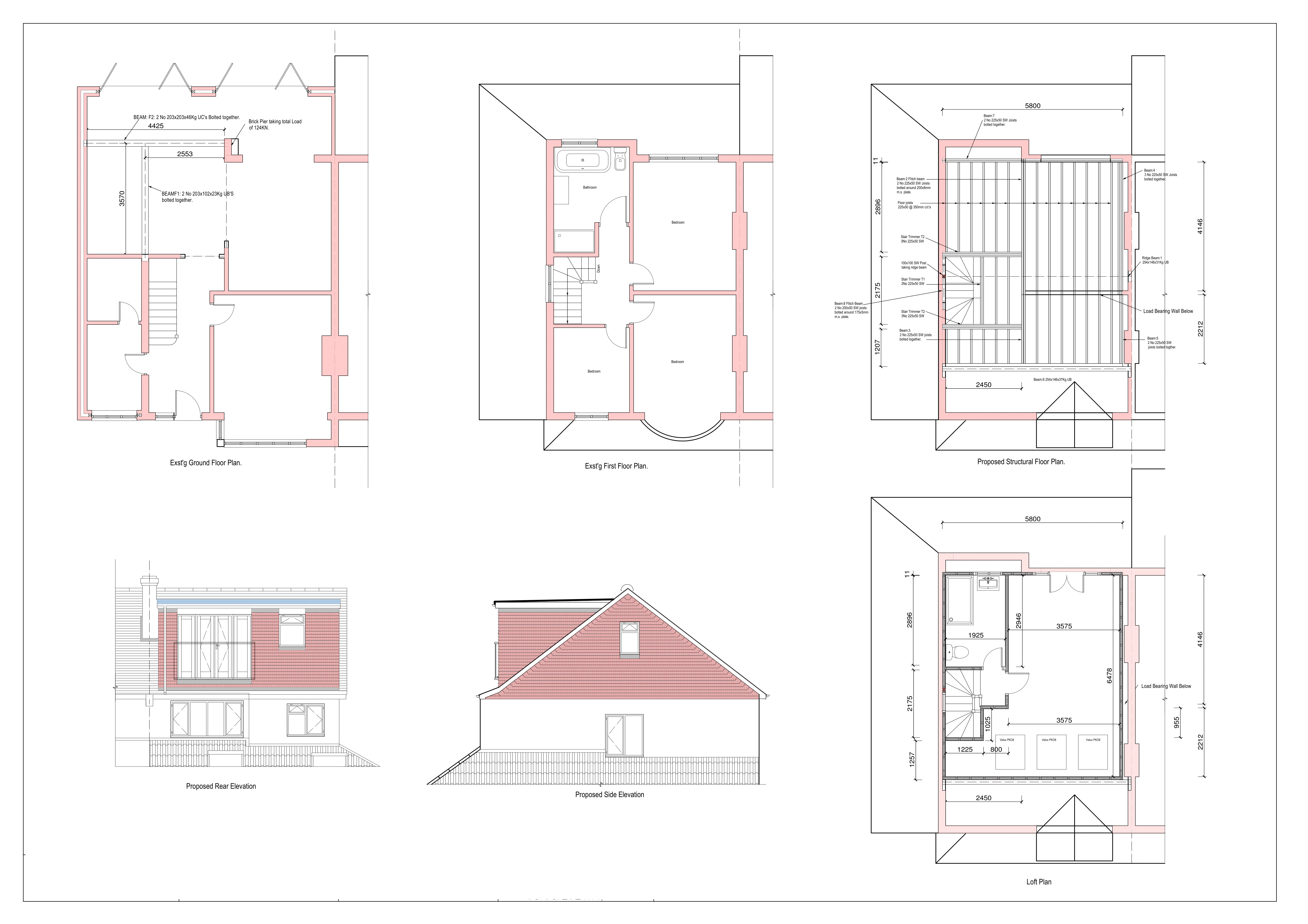
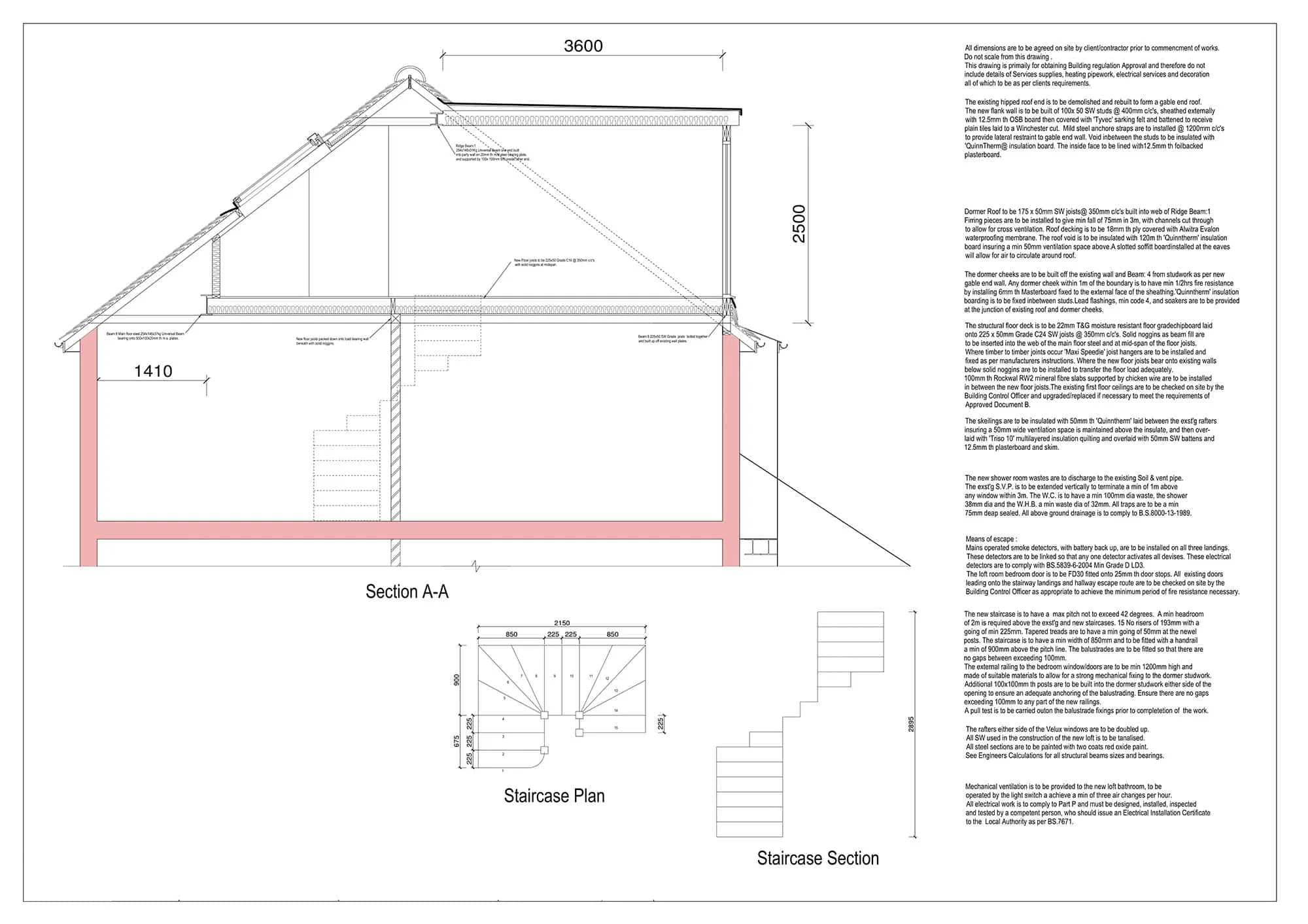
Our structural engineer designs the new support system, usually involving steel beams, to carry the loads that the trusses were previously handling. Once that structure is in place, the internal webbing can be removed safely. The loft then opens up into a clean, dry, and workable space, ready to become a proper living area.
Find Out More About Hip to Gable Loft Conversions
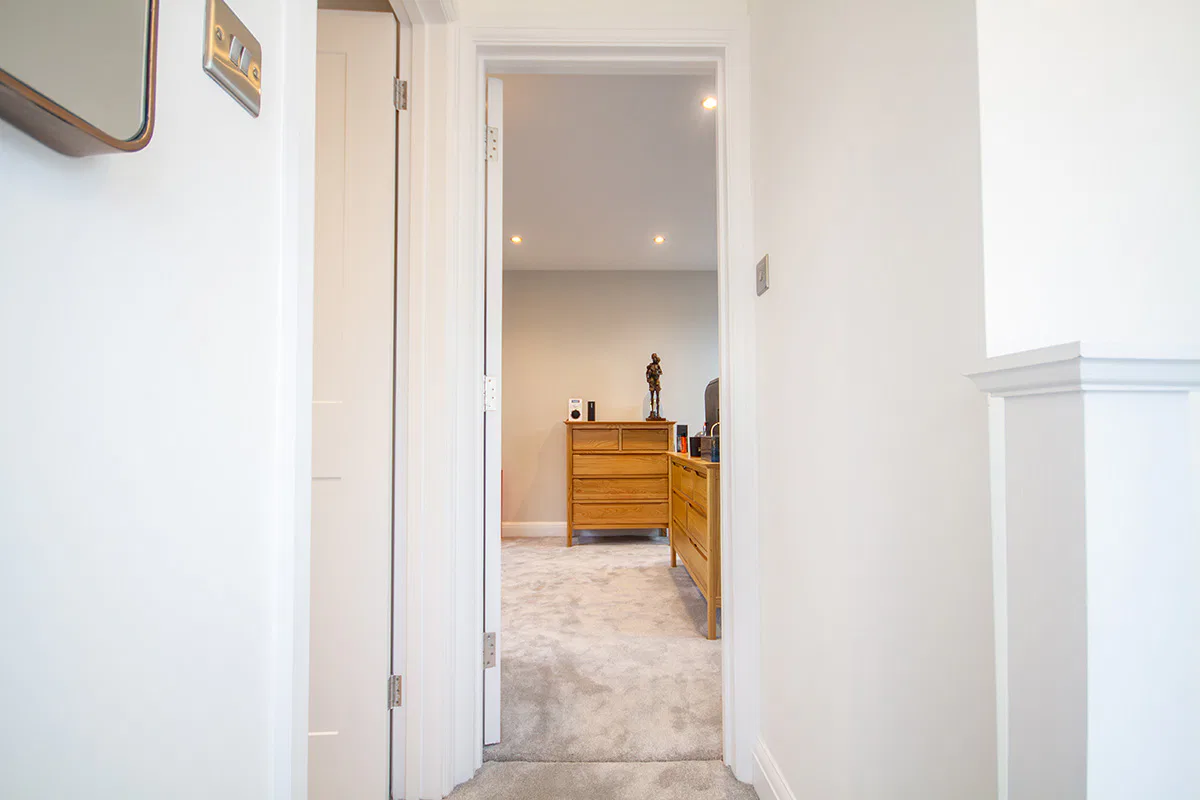
Trussed roof loft conversions are perfect for creating bright and airy rooms that benefit from plenty of natural light. The conversion can be tailored to suit your specific needs, whether you require additional bedrooms, a home office, or a multi-purpose family room.
At CS Lofts, we are experts in delivering trussed roof loft conversions that are both practical and aesthetically pleasing. Our team handles every aspect of the project, from planning and design to construction and finishing, ensuring a seamless and stress-free experience. We have extensive experience working with trussed roofs and can provide innovative solutions to maximise your space while maintaining structural integrity and safety.
Wait, So What Even is a Trussed Roof?
A trussed roof is a roof built using prefabricated timber frames. These frames are usually made off-site, brought to the property, and installed across the roof in a series of triangular sections.
The easiest way to recognise one is to look inside the loft. If you see a lot of timber running across the space in a sort of W-shaped pattern, with diagonal and horizontal pieces connecting the roof rafters to the ceiling joists, there’s a good chance you’ve got a trussed roof.
They became very common from the 1960s onwards because they were quicker and cheaper to install than the older traditional rafter-and-purlin roof structure. From a building point of view, they work really well because the timber webbing spreads the roof load across the property. The trade-off is that the web fills the loft space almost completely, leaving very little usable room. That is the problem we solve.
Can you Convert a Trussed Roof Loft?
Yes, absolutely. The key is understanding what the trusses are doing structurally. Because the W-shaped webs are load-bearing, you cannot simply cut through them without replacing the support they provide. What we do is install steel beams across the width of the floor to take over that structural role. Once those beams are in place and carrying the load, the inner sections of the trusses can be removed. The loft opens up entirely, and the W structure effectively becomes an A-frame, which gives you clean, usable headroom.
How Much Does a Trussed Roof Loft Conversion Cost?
For a trussed roof loft conversion on a property in London or Surrey, the typical range sits between £50,000 and £70,000. The exact figure depends on the size of the loft, how complex the existing truss arrangement is, and the type of conversion you’re going for.
That’s why we don’t like giving homeowners a random figure online and pretending that’s their real budget. What we do at CS Lofts is come out, carry out the survey, look at the roof properly, understand what you want from the space, and then give you a written quotation.
The best part is that everything within that price is fixed from day one. Our quotes are written, signed, and contracted before work starts, so what you see is what you pay. No surprise additions will surface halfway through the build, and absolutely no costs appear in the final invoice that were not in that original quote. The price only changes if you specifically request extra work.
And that fixed price covers everything you need: structural calculations and architectural plans, building regulations fees, scaffolding and skips, the steel beams and structural works, high-performance insulation, the new floor structure and staircase, windows, first and second fix electrics and plumbing, internal walls, doors, skirting, and a full plaster finish so the room is completely ready to decorate.
What Will I End Up With After a Truss Roof Loft Conversion?
What you end up with depends on three main things: the shape of the roof, the amount of headroom, and what you want the room to be used for.
If the existing head height is already good, we may not need to change the roof shape much at all. We can install roof windows directly into the existing slope, which brings in natural light while keeping the outside of the property almost unchanged. That can be a good choice where planning is more sensitive or where the homeowner wants a simpler, more subtle conversion.
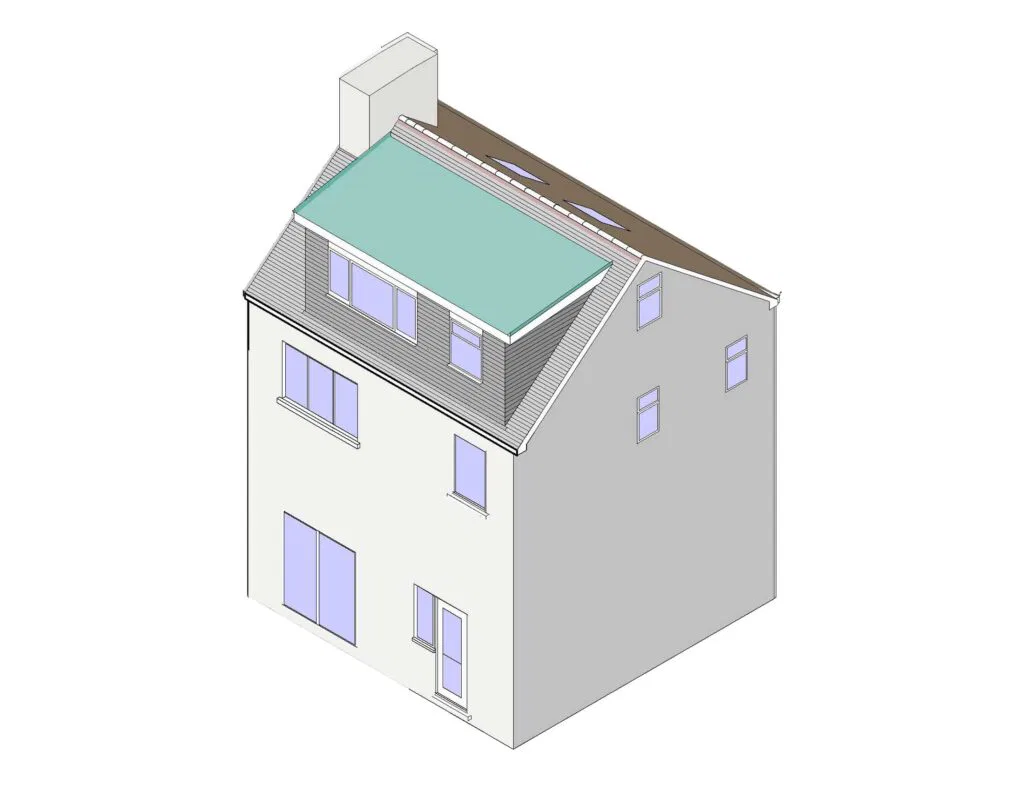
If you need more headroom and usable floor area, a Dormer conversion may be the better answer, and this is actually the most common route for trussed roofs. A dormer physically extends from the rear roof slope, giving you vertical walls and full standing height across a much larger area.
For properties with a hipped roof, a hip-to-gable conversion rebuilds the sloping end into a vertical gable wall, adding significant usable floor area before the dormer element even goes on.
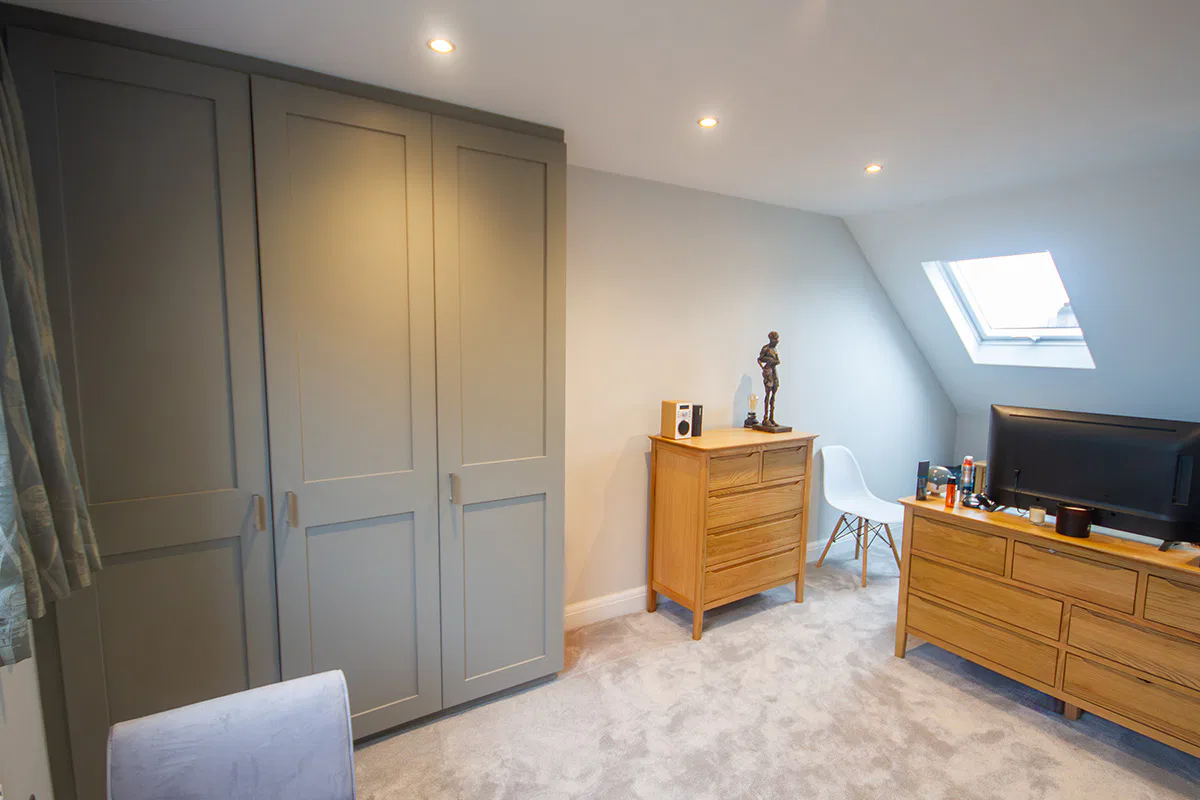
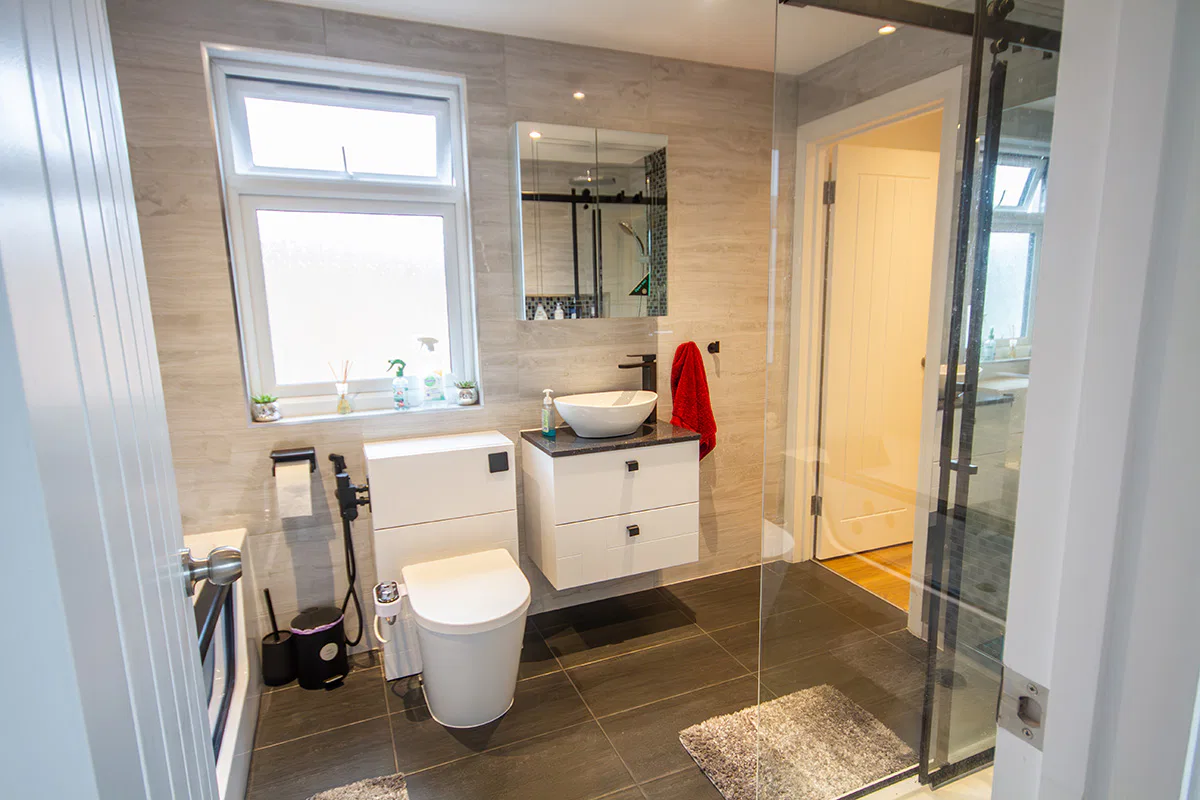
In terms of rooms, most truss conversions give you enough space for a master bedroom with an ensuite, two bedrooms and a shared shower room, or a bedroom and a separate home office.
Do I Need Planning Permission for a Trussed Roof Loft Conversion?
Not necessarily, but it depends on the type of conversion you’re going for and where your property sits.
Many loft conversions can still fall under your permitted development rights, meaning you don’t need a full planning application, provided they meet certain limits on height, materials, external design, and roof volume (50 m³ for detached and semi-detached houses and 40 m³ for terraced houses).
However, if your design changes the roof shape significantly, faces a highway, or adds too much volume, you will need full planning permission. It is also required regardless of size or type if your property is in a conservation area, is a listed building, falls under Article 4 Directions, or has specific local authority restrictions.
However, even when planning permission isn’t needed, building regulations approval is always required. That covers structural safety, fire safety, insulation, ventilation, staircase geometry, electrics, and the final sign-off.
But don’t worry, CS Lofts manages the full planning and building regulations process as part of our core service. Our in-house team handles all the architectural drawings, submits the applications, and handles all the liaison with building control.
How Long Does a Trussed Roof Loft Conversion Take?
You are generally looking at a build duration of around 8 to 12 weeks from the day the scaffolding goes up.
But the important thing is that your timeline is not left open-ended. Every CS Lofts contract specifies the length of time the build will take. If the build runs beyond that agreed timeframe, we deduct £500 per week from the price of the work. That clause exists because we mean it when we say we will deliver on time.
Can I Live In The House During The Work?
Yes, you can stay in your home throughout the entire build. We use what we call the Outside- In approach on trussed roof conversions, same as we do on every other build. The heavy structural work happens from the scaffolding. We only cut through your ceiling and install the staircase once the new space is built, dry, and watertight.
Why choose CS Lofts for a truss roof loft conversion?
It comes down to three things. We specialise, we have the in-house expertise this kind of build genuinely requires, and we’re accountable in writing for what we deliver. Here’s why we’re set up to handle it properly:
- One team designing, reviewing, and executing the build, with no third-party hand-offs between drawing and site
- Hundreds of conversions completed across London, Surrey, and Kent, including plenty of trussed roofs other firms had turned down
- Full free roof survey on every job, identifying issues with the roof, chimney, or firewalls before any work begins
- Fixed-price contract signed upfront, with a written quote and no hidden fees
- Architectural drawings and structural calculations included as standard
- £500 per week penalty clause deducted from your final bill if we exceed the agreed build timeframe
- Dedicated project manager from first survey through to final sign-off
- 10-year guarantee on all completed work.
- 10 trees planted for every conversion through eforests, with a personalised certificate
Ready to Find Out What Your Trussed Loft Can Become?
If you’ve been told your loft can’t be converted because of the trusses, get a second opinion. Book a free site visit.
We will inspect the roof, talk through your ideas, explain the options, and give you a clear fixed quote in writing. No pressure to sign anything on the day.
Call us on 020 3659 8980 or get in touch through the contact page.
FAQs
Yes, when designed by a structural engineer and built by an experienced team. The loads from the existing trusses are transferred onto new steel beams before any webbing is removed. At no point during the build is the roof unsupported. The work is inspected by building control at key stages.
No. Truss roofs require more structural work than traditional cut roofs, and not every builder has the experience or engineering to do it. A specialist loft conversion company like us convert trussed roofs regularly.